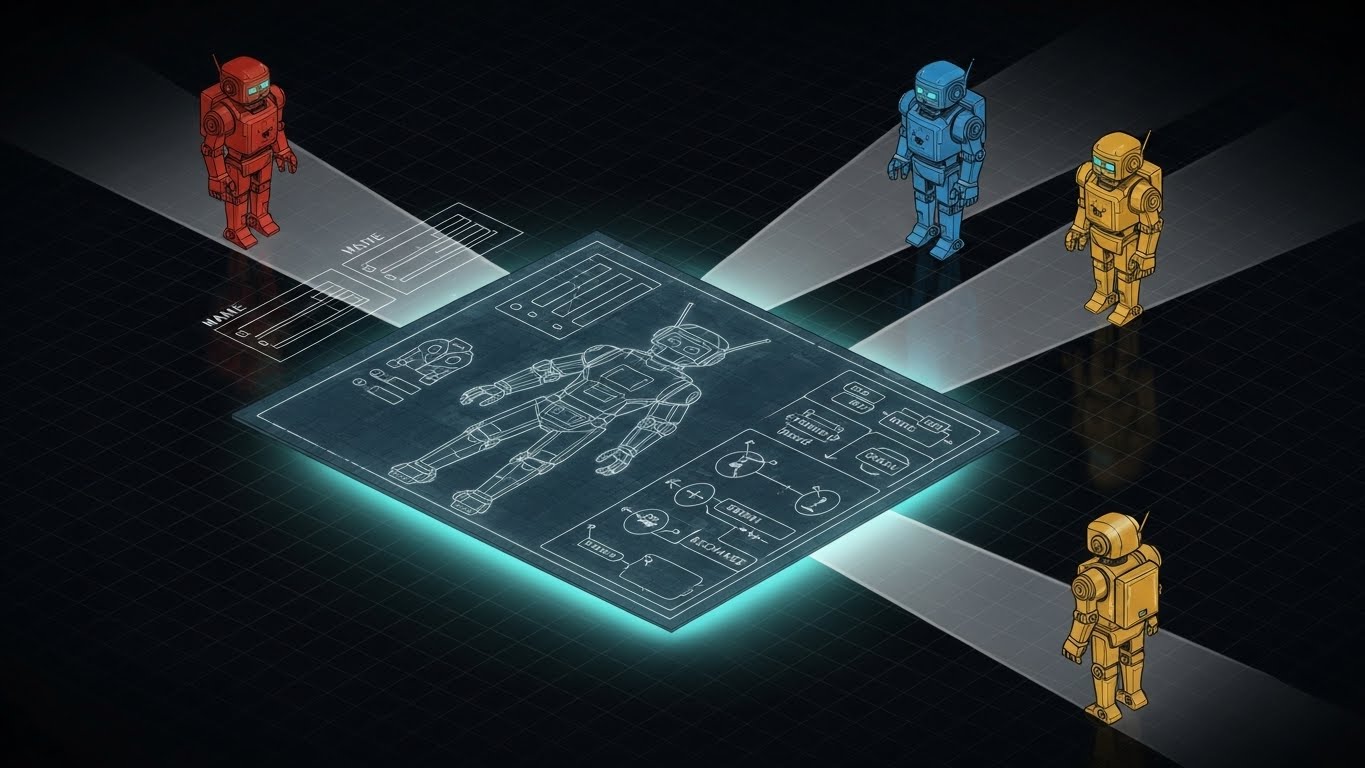
 In Part 1 we covered the fundamental building blocks: classes, functions, constructors and how to organize code into header and implementation files. We created a simple
 Person class to illustrate these concepts and now it is time to apply what we learned to our main project: The RingBuffer.
Remember, our ring buffer needs to do a few key things: store elements, track where to add the next one, and know when it’s full. Let’s begin by creating a class.
Classes
Ring Buffer Series Part 1 - Classes and Functions - The Building Blocks
Hello! If you recall from the previous series, we built a program that handled text input, stored numbers into a vector and performed calculations. However there were some concepts in there that we used, but that I didn’t really explain. I am referring to iterators. In this new series I aim to go over what they are, how they work and how to use them, so get ready because it will be a bumpy ride and as usual, we will have to build our way there because fundamentals are always important.